
A forest is more than just a forest
Reading the Comelico landscape beyond appearances
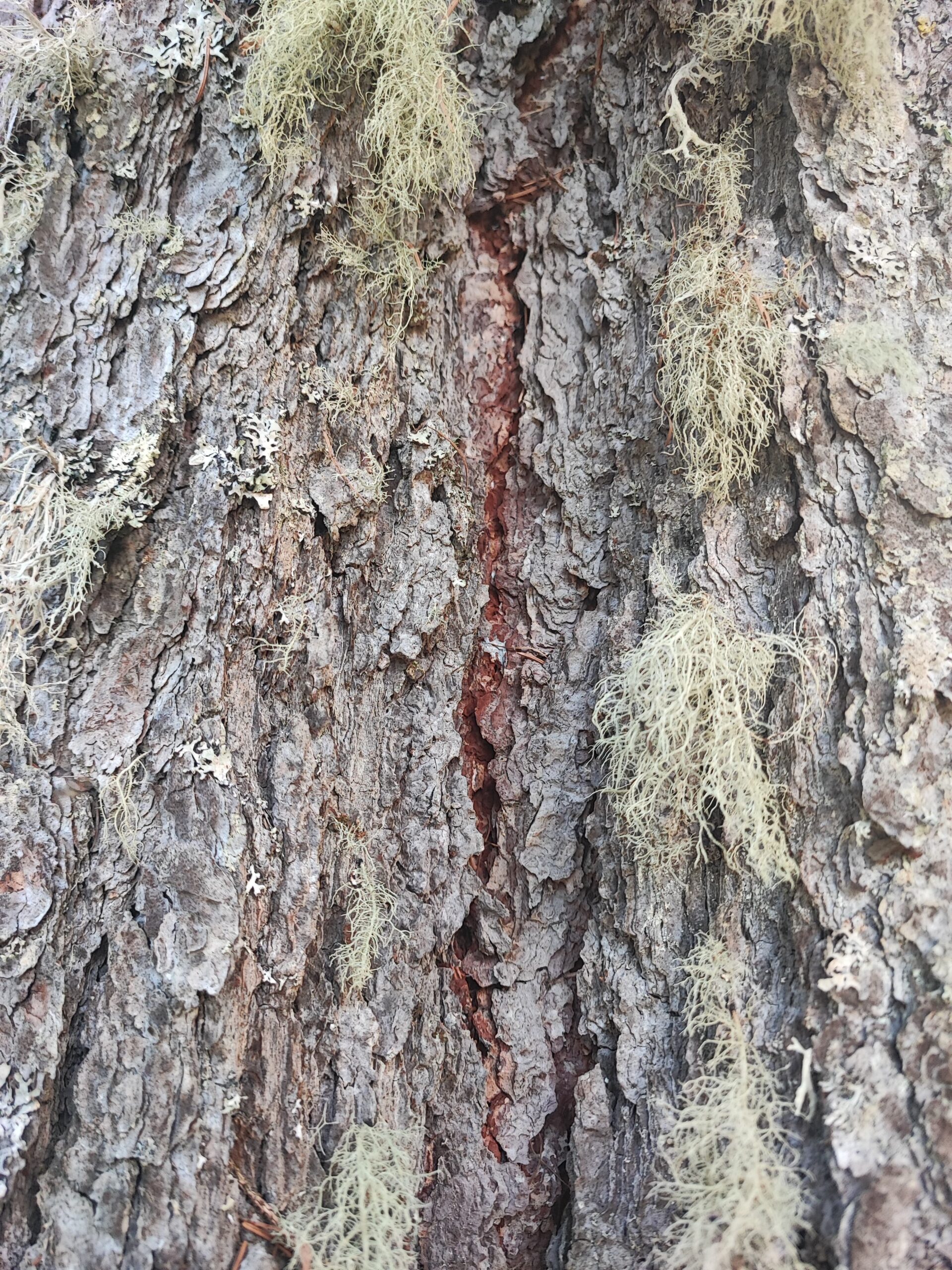
When we talk about Europe, there are very few landscapes that can truly be described as natural and untouched. Over the centuries, human activity has deeply shaped them and the places where people have lived.
ust think of the kilometres of dry-stone walls scattered across the continent, the salt pans created along the coast, or the terraces built to make agriculture possible.
Not to mention landscapes that have been completely transformed, such as rock faces carved away by quarries or Normandy after D-Day.
Moving closer to the Comelico area, how could we fail to mention Cortina and its Dolomites, where the First World War left an indelible mark?
ll this is to explain that, very often, even where it may not be immediately visible, the human hand is present.
What you see in Comelico today is the result of centuries of land management by the ancient Regole.
For those who have never heard of them, there is not enough space here to explore them as fully as they deserve, but it is enough to know that they are family-based collective institutions formed by the original inhabitants of Comelico and that, to this day, they own around 75% of the local forests.
The Regole have sought to maintain a balance between traditional productive activities — pastoral farming, agriculture and forestry — and the natural environment.
Local woodland management, for example, involves selecting individual trees of different ages from within the same area. This differs from clear-cutting, practised elsewhere, where all the trees in a given plot are felled.
This method helps preserve timber quality and protect biodiversity.
The gradual advance of trees towards the villages is, instead, the result of a major economic transformation: the progressive decline of the primary sector and, consequently, of livestock farming and grazing, in favour of employment in factories, offices and tourism-related businesses.
By observing Comelico with greater awareness, we realise that between the villages, strongholds of human settlement, and the mountains, symbols of a seemingly more untouched landscape, there is an entire world made up of traditions, culture, centuries of knowledge, economic activity and much more.
A forest is not just a forest.
But how can we know that if no one explains it?
When travelling, it is not always easy to form meaningful connections or have deep conversations after hours spent queuing on the motorway or walking under the scorching sun of July and August.
Even when someone is willing to tell a story and someone else is willing to listen, it is difficult for the planets to align and for genuine communication to take place.
This is why I decided to create these experiences: to tell the story of my homeland and make it more understandable to those who visit it. Because it, too, wants to be told and, in the end, is simply waiting for someone to listen.